Pandan vs Spirulina vs Moringa: Which Green Powder Should You Choose?
Maison PandanGreen powders are more and more popular, driven by interest in natural, plant-based ingredients. Among the most talked-about are spirulina, moringa and, more recently, pandan. Yet these three green powders are very different in their origin, taste and uses.
Comparing pandan, spirulina and moringa helps you better understand what makes each one special and avoid the common mix-up between wellness ingredients and aromatic ingredients.
Where green powders come from
Pandan comes from the leaves of a tropical plant from Southeast Asia. It has long been used as an aromatic ingredient in cooking, mainly to naturally flavor and color dishes.
Spirulina is a microalga grown in ponds, often associated with dietary supplements. Moringa, for its part, comes from the leaves of a tropical tree native to India and Africa, traditionally used for its nutritional value.
Taste and palatability
Taste is one of the biggest differences between these powders. Pandan has a mellow, aromatic flavor, often described as reminiscent of vanilla, almond or coconut. It's generally well tolerated and enjoyed, even by sensitive palates.
Spirulina has a very strong taste, often described as briny or sea-like. That intensity can be hard to accept, especially in drinks or simple recipes. Moringa has a green, slightly bitter flavor, closer to some dried herbs.
Culinary and practical uses
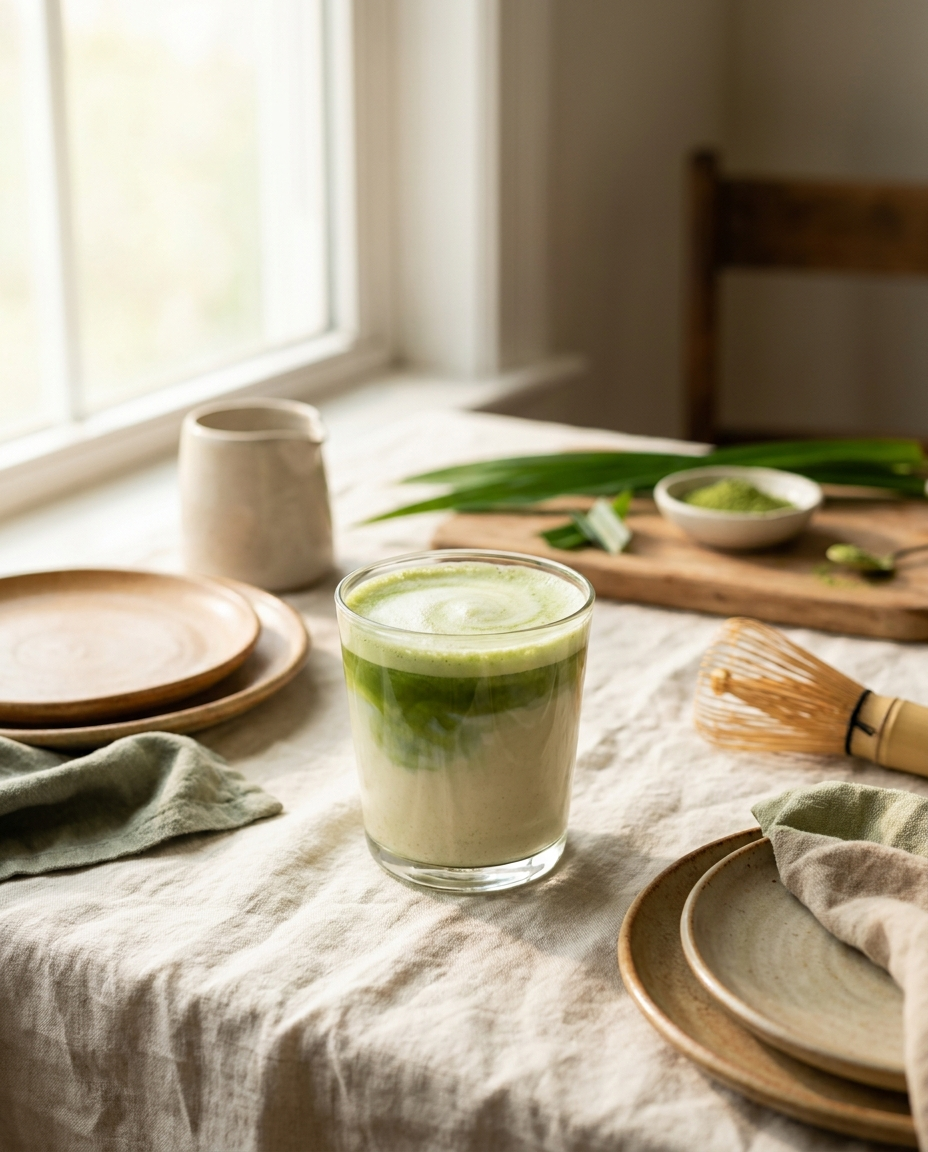
Pandan is mainly used in cooking and drinks. It blends easily into lattes, desserts, pastries and milk-based recipes without overpowering other flavors.
Spirulina and moringa are consumed more for their nutritional content. They're often added to smoothies or taken as supplements, but their culinary use is more limited because of their strong taste.
Green powders and wellness
Spirulina and moringa are often highlighted for their nutritional richness. They're seen as functional ingredients, sometimes taken as supplements.
Pandan takes a different approach. It isn't used for any major nutritional contribution, but for its sensory profile and its lack of caffeine. It's more for people looking for a mellow, enjoyable alternative that's easy to fit into everyday life.
Which green powder should you choose for your goal?
The choice depends above all on what you're looking for. For cooking, an indulgent drink or a caffeine-free alternative, pandan is generally the best fit. For a targeted nutritional boost, spirulina or moringa may be worth considering, as long as you're fine with their taste and how they're consumed.
You also don't have to pit these powders against each other. They serve different purposes and can coexist in a varied diet, each at a specific time and for a distinct goal.
Conclusion
Pandan, spirulina and moringa are three green powders that are often compared but rarely understood for what makes each unique. Pandan stands out for its mellow taste and culinary use, while spirulina and moringa are more about nutrition.
Understanding these differences helps you make an informed choice that matches your expectations, without giving in to trends or overblown promises.