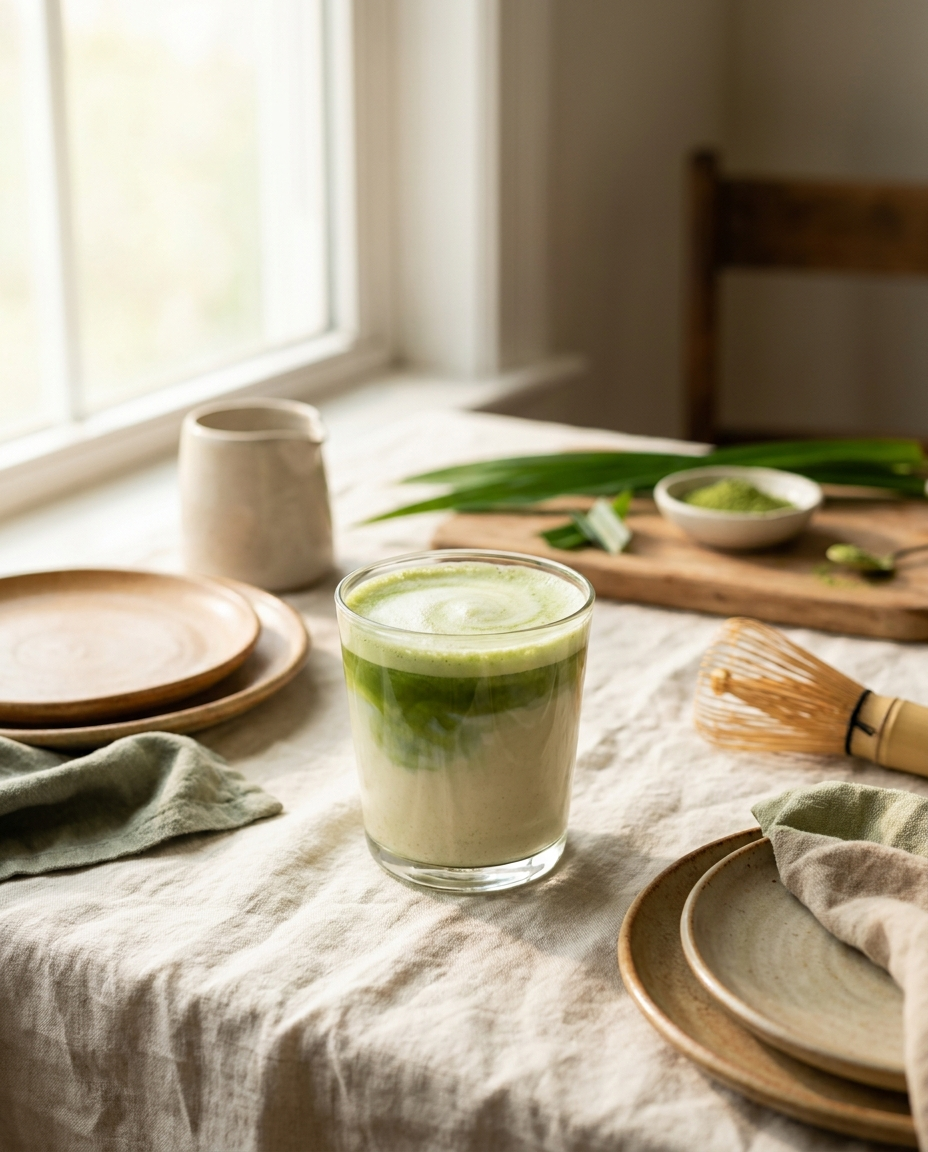
Why is pandan so popular in Southeast Asia?
Maison Pandan🇹🇭 A plant deeply rooted in Asian culture
In Thailand, the Philippines, Indonesia, Malaysia and Vietnam, pandan is an essential everyday plant. Used for centuries to flavour dishes and colour desserts, and traditionally in food preservation, it is an integral part of local culinary culture.
🍚 An ingredient in all kinds of dishes
What makes pandan so popular in Southeast Asia is its versatility. It appears in a wide variety of preparations:
- Savoury dishes: pandan rice, chicken wrapped in a pandan leaf (kai ho bai toey)
- Desserts: flans, puddings, mochi, steamed cakes…
- Drinks: pandan juice, bubble tea, cocktails
Its subtle flavour, often described as a blend of vanilla, almond and fresh grass, makes it a much-loved aromatic ingredient.
🧬 A plant valued in traditional practices
Beyond its flavour, pandan has a place in traditional Asian practices associated with well-being, including digestive comfort and relaxation. These traditional uses should not be confused with clinically established effects. Pandan is first and foremost a culinary ingredient.
🟢 A natural alternative to artificial flavourings
Pandan is also prized for its natural green colour. Pure pandan can bring both colour and aroma to desserts without added colouring or flavouring. This plant-based, traditional ingredient fits an interest in simple recipes and familiar ingredients.
🏠 A nostalgic flavour for many
For people from Southeast Asia, pandan evokes childhood, family meals and grandmother’s recipes. This strong emotional connection helps explain its enduring place in culinary traditions as eating habits evolve.
📌 Conclusion
Pandan is more than an ingredient: it is a flavour connected to cherished memories and a cornerstone of Asian culinary culture. Its versatility and distinctive aroma keep it popular, with growing appreciation around the world.