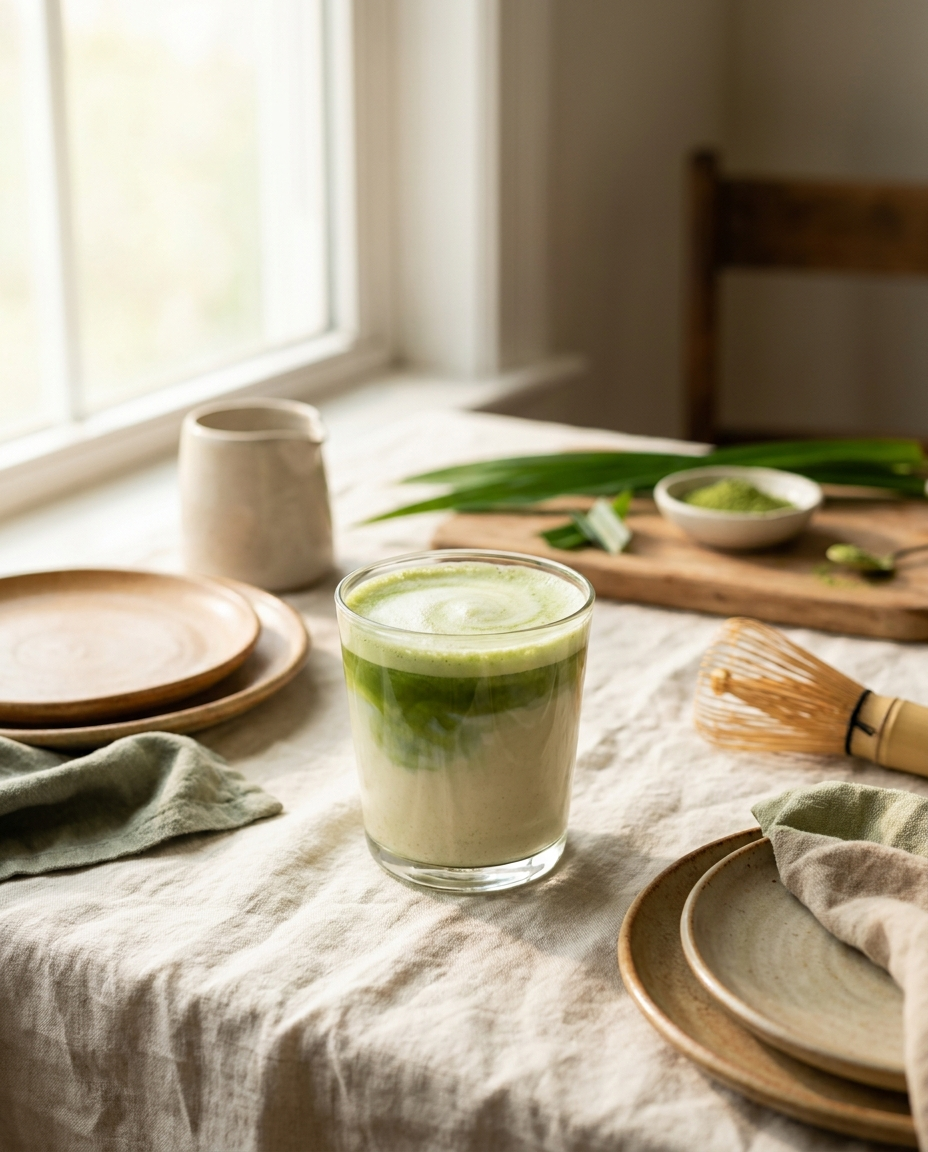
Pandan vs Matcha: Which Green Powder Should You Choose?
Maison Pandan
Two vibrant green powders. Two very different stories. Pandan and matcha are both having a major moment in the food world — but they come from completely different plants, cultures and flavor profiles. If you're wondering which one to add to your kitchen (or whether you need both), this honest comparison will help you decide.
What Is Pandan?
Pandan (Pandanus amaryllifolius) is a tropical plant native to Southeast Asia. Its long, ribbon-like leaves have been used for centuries in Indonesian, Thai, Vietnamese and Malaysian cuisine. The dried leaves are ground into a fine green powder with a uniquely sweet, aromatic flavor.
Its taste is often described as a blend of vanilla, almond and fresh grass — warm, sweet and subtly exotic. That's why it's nicknamed the "vanilla of Asia."
What Is Matcha?
Matcha is a finely ground powder made from specially grown and processed green tea leaves (Camellia sinensis), traditionally from Japan. The tea plants are shade-grown for several weeks before harvest, which boosts chlorophyll and creates matcha's signature deep green color and umami-rich flavor.
Its taste is grassy, slightly bitter and umami — complex and earthy, very different from the sweetness of pandan.
Pandan vs Matcha: Key Differences at a Glance
| 🌿 Pandan | 🍵 Matcha | |
|---|---|---|
| Origin | Southeast Asia (Indonesia, Thailand, Philippines, Vietnam...) | Japan |
| Plant | Pandanus amaryllifolius (tropical leaf) | Camellia sinensis (green tea) |
| Flavor | Sweet, vanilla-like, nutty, floral | Grassy, bitter, umami, earthy |
| Color | Bright, vibrant green | Deep, dark green |
| Caffeine | ❌ None | ✅ Yes (~35mg per cup) |
| Best for | Desserts, sweet drinks, baking | Tea, lattes, energy drinks |
| Price | More affordable | More expensive (especially ceremonial grade) |
| Availability | Growing fast in Europe | Widely available |
Taste: Sweet vs Bitter
This is the biggest difference. Pandan is naturally sweet — it enhances desserts and drinks without needing much added sugar. It's approachable, smooth and crowd-pleasing.
Matcha is bitter and astringent by nature. Ceremonial grade matcha is milder, but it always has that distinctive grassy, umami bite that not everyone loves immediately. It's an acquired taste.
👉 Winner for sweet recipes: Pandan
👉 Winner for savory or umami dishes: Matcha
Color: Which Is Greener?
Both powders produce a striking green color — but they're different shades. Pandan gives a bright, electric green that looks beautiful in cakes, pancakes and lattes. Matcha produces a deeper, more muted olive-green, especially when baked.
For visually striking food and drinks, pandan often wins on Instagram-worthy color.
Caffeine: A Key Factor
Pandan contains zero caffeine. It's a plant leaf, not a tea — so it's perfect for children, pregnant women, people sensitive to caffeine, or anyone who wants a beautiful green drink in the evening without affecting their sleep.
Matcha contains caffeine (~35mg per serving) along with L-theanine, which provides a calm, focused energy boost. Great for mornings, not ideal late in the day.
👉 Caffeine-free choice: Pandan — always.
Uses in the Kitchen
Where Pandan Shines
- 🍰 Cakes and pastries – pandan cake, chiffon cake, madeleine
- 🥞 Pancakes and waffles – naturally green and sweet
- 🍵 Pandan latte – the new trendy café drink
- 🍨 Ice cream and puddings – smooth, aromatic desserts
- 🍹 Cocktails and mocktails – exotic flavor, stunning color
- 🍚 Southeast Asian classics – klepon, kue, ondeh-ondeh
Where Matcha Shines
- 🍵 Traditional tea – whisked with hot water
- ☕ Matcha latte – with steamed milk
- 🍫 Chocolates and truffles – matcha ganache
- 🍦 Ice cream – matcha soft serve
- 🎂 Tiramisu and cheesecake – bitter-sweet balance
Health Benefits: How Do They Compare?
Matcha is well-documented for its antioxidants (EGCG catechins), L-theanine for calm focus, and metabolism support. It has a strong evidence base.
Pandan has been used in traditional Southeast Asian medicine for centuries — for digestion, stress relief, blood sugar balance and anti-inflammatory properties. The scientific research is still growing, but its traditional use is extensive.
Both are natural, plant-based powders with no artificial additives when bought pure.
Price: Which Is More Affordable?
High-quality ceremonial grade matcha can be expensive — often €25–€50 per 30g tin. Culinary matcha is cheaper but has a harsher flavor.
Pandan powder is significantly more affordable for the same quantity, making it great value for everyday cooking and baking — without compromising on quality or aroma.
Can You Use Both Together?
Absolutely — they're not rivals, they're complements. Some creative recipes combine pandan and matcha for a complex layered green flavor. But in most cases, they serve different purposes in the kitchen.
Frequently Asked Questions
Is pandan healthier than matcha?
They have different health profiles. Matcha is rich in antioxidants and caffeine. Pandan is caffeine-free with traditional wellness benefits. Neither is definitively "healthier" it depends on your goals.
Can I substitute pandan for matcha in recipes?
Not directly — the flavors are very different. Pandan is sweet; matcha is bitter. You can swap them for color in some recipes, but expect a completely different taste.
Which is better for a latte — pandan or matcha?
Both make excellent lattes. Pandan latte is sweeter and creamier, perfect for those who don't like bitter flavors. Matcha latte has that earthy kick and caffeine boost. Try both!
Does pandan taste like matcha?
No — they taste nothing alike. Pandan is sweet and vanilla-like; matcha is grassy and bitter. The only thing they share is a green color.
Which is better for baking?
Pandan tends to perform better in baking for sweet recipes — it keeps its vibrant green color and doesn't turn bitter when heated. Matcha can sometimes become more bitter when baked at high temperatures.
The Verdict: Which Should You Choose?
Choose pandan if you want a naturally sweet, caffeine-free, versatile ingredient that works beautifully in desserts, drinks and baking — especially if you're new to exotic green powders.
Choose matcha if you want that caffeine boost, love earthy-bitter flavors, or are specifically making Japanese-inspired recipes.
The good news? You don't have to choose just one. Both deserve a spot in your pantry. But if you haven't tried pandan yet — it's time. 👉 Shop our 100% natural, organic pandan powder now.