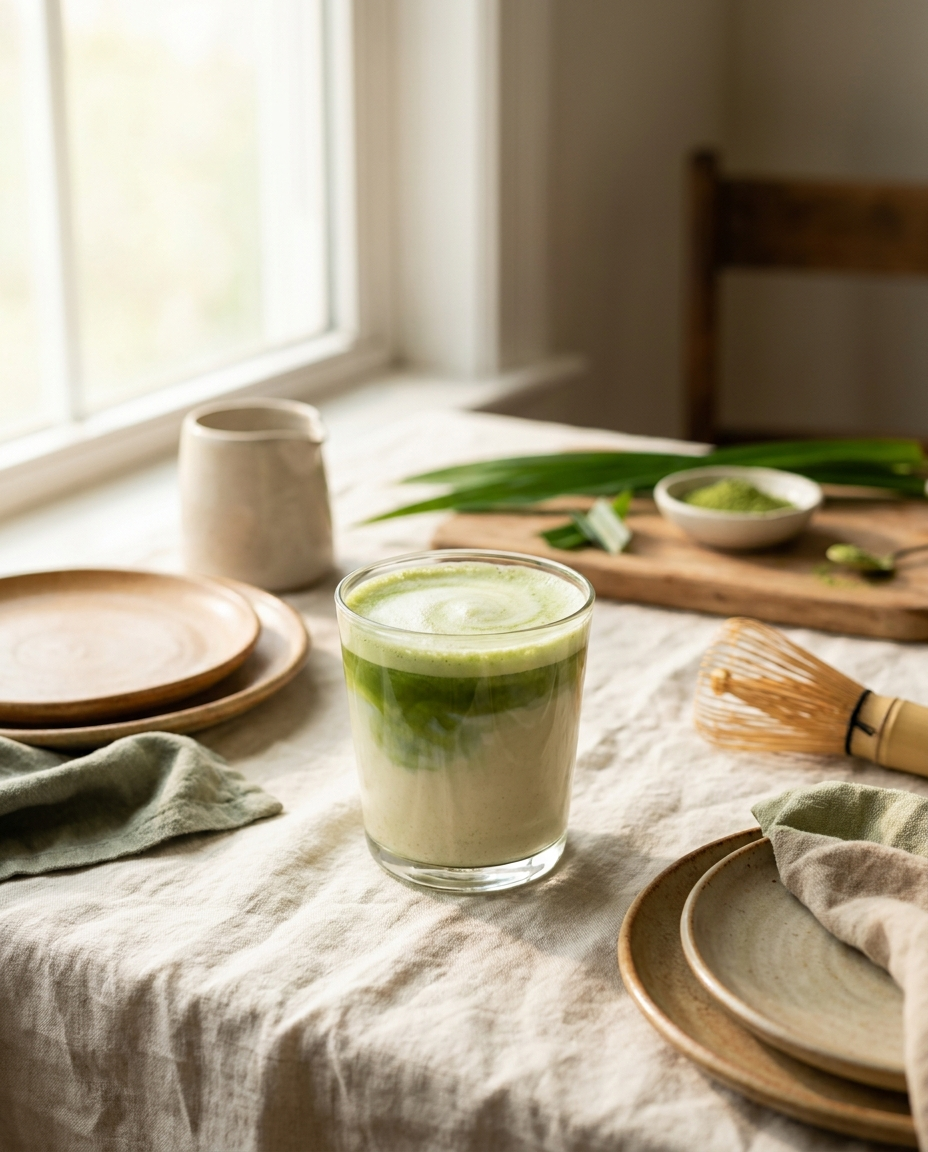
Top 5 exotic ingredients to discover in 2026
Maison PandanEach year, exotic ingredients find new audiences in kitchens around the world. Ingredients from Asia, Latin America and Africa inspire chefs and home cooks to explore unfamiliar flavours. Here are five ingredients to discover in 2026, through their origins, aromas and culinary uses.
1. Pandan — an aromatic green powder from Asia
Origin: A tropical leaf used across Southeast Asia, including Thailand and Indonesia. Sometimes called the “vanilla of Asia”, pandan is valued for its gentle, floral and slightly grassy aroma and its versatility in cooking.
Why it attracts attention: Pandan brings a distinctive flavour, with vanilla, almond and fresh grass notes, and a natural green colour. Pure pandan contains no caffeine. Its visual appeal and aromatic profile work well in contemporary café drinks and desserts. The pandan latte offers a different experience from matcha, while pastry chefs use pandan in flans, cakes and layered desserts. Its main appeal is culinary, rather than a promise of health benefits.
How to use it: Pandan powder is a practical option for lattes, smoothies and desserts. Begin with a small quantity and adjust to taste. It can also be incorporated into a syrup or paste for specific recipes. Fresh leaves are traditionally infused whole for a more delicate fragrance. Our natural pandan powder makes it easy to try this ingredient at home.
2. Ube — the purple yam of the Philippines
Origin: A purple tuber, a type of yam prized in Filipino cooking. Ube has long featured in desserts such as halaya and ice cream. Its vivid colour and sweet preparations have brought it to a wider audience.
Why it attracts attention: Ube’s intense purple colour gives pancakes, ice creams, lattes and cocktails a striking appearance. Social media has helped introduce it to new audiences, alongside ube-filled doughnuts and cheesecakes in modern bakeries. Its flavour is gentle, slightly vanilla-like and earthy. Its colour is linked to naturally occurring pigments; the nutritional composition depends on the product and preparation.
How to use it: Ube purée or paste is often sold sweetened in jars for desserts. Dehydrated powder can be rehydrated in milk. For an ube latte, blend an appropriate ube preparation with milk. In baking, add it to cake batter, creams and icing. Pair it with coconut milk or grated coconut, a classic Filipino combination.
3. Moringa — a green leaf powder
Origin: The leaves of Moringa oleifera, a tree native to South Asia and also widely grown in Africa. Moringa is used in traditional food and practices, and is sometimes called the “tree of life”.
Why it attracts attention: Alongside matcha, spirulina and chlorella, moringa is sought out as a plant-based green ingredient. Its leaves contain nutrients, but their amounts vary with processing and the quantity consumed. Its grassy, slightly peppery taste recalls watercress or wheatgrass, and can be combined with fruit in drinks. Avoid interpreting the “superfood” label as a guarantee of health effects.
How to use it: Dried moringa powder can be added in small quantities to smoothies, soups or bread dough. Moringa is also used in herbal infusions, alone or with other plants, and as a seasoning in curry or an alternative pesto. Citrus or mint helps balance its pronounced grassy flavour. Start with small amounts to get used to its taste.
4. Yuzu — an aromatic citrus fruit used in Japanese cuisine
Origin: An East Asian citrus fruit closely associated with Japanese and Korean cooking. Yuzu is a small, uneven-skinned yellow-green fruit with a highly aromatic juice recalling lemon, mandarin and grapefruit. Traditionally used in ponzu and desserts, it also appears in Western gastronomy.
Why it attracts attention: Its complex citrus flavour, both tart and floral, gives drinks and desserts a refined note. Yuzu works in cocktails such as yuzu sour and yuzu tonic, pastries, tarts, madeleines and ice cream, as well as savoury condiments. A small amount can bring brightness and character without requiring a completely unfamiliar flavour profile.
How to use it: Outside Asia, fresh yuzu can be difficult to find. Bottled yuzu juice and dried yuzu zest are practical alternatives. A few drops can replace lemon in a dressing, lift a ceviche or flavour chocolate ganache. Use zest as a spice on grilled fish or in a soy-based sauce such as ponzu. Add it sparingly to preserve the balance of other flavours.
5. Dragon fruit (pitaya) — a colourful tropical fruit
Origin: A cactus fruit originally from Central America, now also widely grown in Southeast Asia. Dragon fruit, or pitaya, comes in varieties with white or vivid pink flesh, scattered with tiny dark seeds.
Why it attracts attention: Pink-fleshed pitaya brings spectacular colour to smoothie bowls and cocktails. It also appears in summer drinks, ice creams and tropical fruit salads. Its taste is relatively delicate, mildly sweet with notes recalling kiwi or pear, so it combines easily with other ingredients without overwhelming a recipe.
How to use it: Cut fresh dragon fruit in half and eat it with a spoon, or dice it for a fruit salad. Freeze-dried red pitaya powder colours smoothies, yoghurt and cocktails bright pink while adding a light flavour. Make a pitaya bowl with powder, plant-based milk, frozen banana and yoghurt, then top with fruit and granola. Purée or juice can colour icing and sponge cakes. It also works in salsa or ceviche for a refreshing touch.
Conclusion
These five ingredients offer colour and new flavours for creative cooking. From pandan’s gentle vanilla-like notes to purple ube, each brings its own character. Adapt them to your tastes and experiment while keeping flavours balanced.
At Maison Pandan, we are particularly pleased to share the culinary possibilities of pandan. Try one or more of these ingredients in your next recipes and enjoy discovering new combinations. 🌺🥭