


Fouet bambou – mousse parfaite
Fouet bambou – mousse parfaite
Impossible de charger la disponibilité du service de retrait
- 100% naturel
- Une saveur unique
- Expédié depuis la France
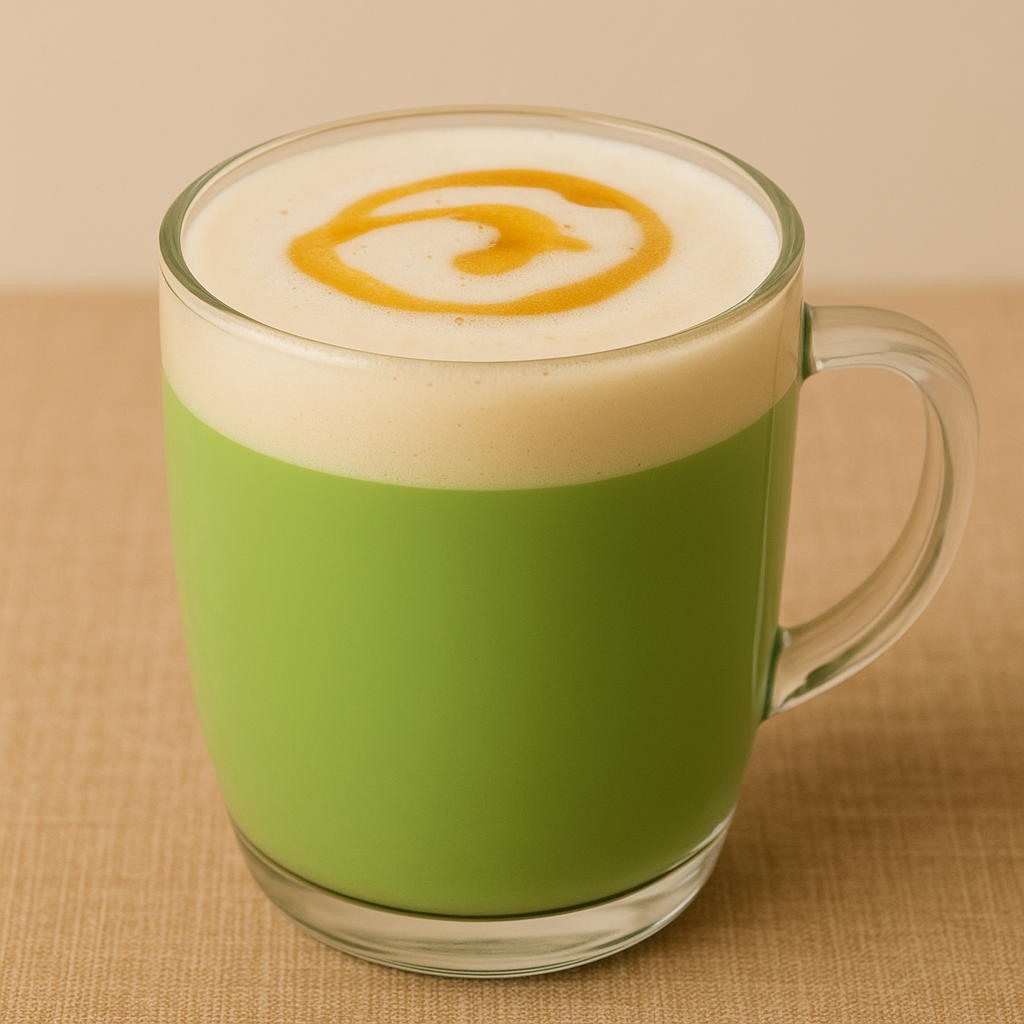
Ce fouet traditionnel en bambou est l’outil indispensable pour obtenir un pandan latte lisse, homogène et délicatement mousseux, sans grumeaux.
Inspiré des rituels asiatiques et sculpté dans un seul morceau de bambou, il permet d’émulsionner parfaitement la poudre de pandan, même dans les laits végétaux.
Résultat : une texture onctueuse, une mousse fine et un rendu visuel premium, comme en coffee shop.
🌿 Pourquoi vous allez l’adorer
-
Émulsion parfaite, sans grumeaux
-
Crée une mousse fine et aérienne
-
Bambou naturel, neutre au goût
-
Sans plastique, sans métal
-
Inspiré des rituels asiatiques authentiques
-
Idéal pour pandan, matcha & superfoods
☕ Parfait pour
-
Pandan latte coco (chaud ou froid)
-
Matcha & boissons végétales
-
Desserts fouettés & recettes créatives
-
Cocktails & boissons bien-être
⚠️ Pourquoi un fouet classique ne suffit pas
La poudre de pandan, comme le matcha, nécessite un outil capable de casser les particules et d’incorporer de l’air.
Un fouet classique laisse des grumeaux et ne crée pas la mousse signature du Pandan Latte.
👉 Ce fouet en bambou garantit un résultat propre, homogène et professionnel, à chaque préparation.
🌀 Mode d’emploi
-
Prélevez 1 à 2 cuillères de poudre de pandan
-
Ajoutez un fond d’eau chaude
-
Fouettez en mouvement M jusqu’à obtenir une pâte lisse
-
Ajoutez le lait (végétal ou non) et fouettez à nouveau
-
Servez immédiatement
🛠️ Caractéristiques techniques
-
Matière : bambou naturel
-
Nombre de brins : 70–80 (selon lot)
-
Dimensions : ~10 cm
-
Usage : boissons, lattes, cuisine créative
-
Entretien : rinçage immédiat, séchage à l’air libre
-
Ne passe pas au lave-vaisselle
🎯 À qui s’adresse ce fouet ?
-
Amateurs de pandan & matcha
-
Coffee lovers & baristas
-
Créateurs de contenu food
-
Cafés, coffee shops, pâtissiers
-
Débutants comme experts
✨ Le détail qui change tout
Un simple geste, mais un résultat radicalement différent :
texture parfaite, mousse fine et rituel visuel premium.


Les questions fréquentes
Qu'est-ce que le pandan exactement ?
Le pandan est une plante tropicale originaire d’Asie du Sud-Est. Ses longues feuilles parfumées sont utilisées en cuisine pour leur arôme unique, et réduites en poudre pour une utilisation pratique dans les recettes sucrées ou salées.
A quoi ressemble le goût du pandan ?
Son arôme naturel, entre vanille, amande et riz gluant, parfume desserts, boissons et plats sacrés.
Quels sont les bienfaits nutritionnels de la poudre de pandan ?
La poudre de pandan est riche en antioxydants et en chlorophylle, ce qui en fait un allié naturel pour le bien-être. Elle est également sans sucre, sans colorant, et naturellement sans gluten.
Rangée réductible
Conservez-la à l’abri de la lumière, dans un endroit sec et frais, idéalement dans un pot hermétique. Elle gardera ainsi toute sa fraîcheur et son parfum pendant plusieurs mois.
Votre poudre de pandan est-elle 100% bio ?
Oui, notre poudre de pandan est 100% pure, biologique et sans additifs. Elle est issue de feuilles cultivées en agriculture biologique, séchées et moulues avec soin pour préserver toutes leurs qualités.
Le Guide du Pandan
Tout afficher-

Stocker le pandan pour préserver sa couleur
Comment stocker la poudre de pandan pour préserver sa couleur verte et son parfum le plus longtemps possible.
Stocker le pandan pour préserver sa couleur
Comment stocker la poudre de pandan pour préserver sa couleur verte et son parfum le plus longtemps possible.
-

Quelle quantité de pandan acheter pour débuter ?
Quelle quantité de poudre de pandan acheter pour débuter : repères d'usage et format idéal pour tester.
Quelle quantité de pandan acheter pour débuter ?
Quelle quantité de poudre de pandan acheter pour débuter : repères d'usage et format idéal pour tester.
-

Thé glacé au pandan : infusion froide verte
Un thé glacé au pandan rafraîchissant, vert naturel et légèrement vanillé.
Thé glacé au pandan : infusion froide verte
Un thé glacé au pandan rafraîchissant, vert naturel et légèrement vanillé.


